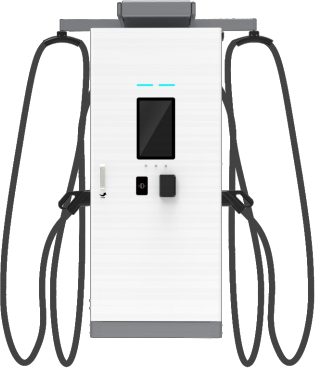

TheYTY என்பது புதிய தலைமுறைஇது அனைத்து ஒன்றில் உள்ள DC EV சார்ஜர் இணைக்கிறது 40kW பொட்டிங் சார்ஜிங் மாட்யூல்கள், with அன் output மின் அழுத்தம் அளவுக்கு இது DC200-1000V, செய்யும் அது இணக்கமான with எல்லா வாகனம் மாதிரிகள் மீது the மார்க்கெட். இது கிரெடிட் உள்ளிட்ட பல்வேறு கட்டண முறைகளை ஆதரிக்கிறது. கார்டு பணம் செலுத்தல்கள், மற்றும் கூடியது இரு சேமிக்கப்பட்டது with a கேபிள் மேலாண்மை கருவி. இந்த அமைப்பு புத்திசாலித்தனமான பவர் விநியோகம் மற்றும் சார்ஜிங் cகட்டுப்பாடு, அதை உருவாக்குவது சரியானது for a விரிவான வரம்பு உள்ள சார்ஜிங் காட்சிs.

I. Installation & Construction
Q: What are the requirements for the installation environment of a 240KW charging pile?
A: It should be installed in a well-ventilated, dry area free from direct sunlight. A maintenance space of no less than 720mm (front) and 470mm (sides) must be reserved around the pile to ensure no obstruction of air inlets and outlets. The foundation should be built on compacted original soil or backfilled lime soil, and thermal insulation treatment is required for frozen soil sites.
Q: What is the specification of power supply cable for a 240KW charging pile?
A: YJV 3× 240mm²+2× 120mm² copper core cable should be used for power supply cable. For long-distance transmission, the cable diameter needs to be increased to reduce voltage drop.
Q: How to choose wall-mounted and floor-standing installation?
A: Wall-mounted installation is suitable for space-constrained scenarios and requires wall load-bearing capacity. Floor-standing installation needs a cement base to be poured and pre-embedded PVC conduit, which is suitable for outdoor areas or large parking lots.
Q: How to deal with abnormal grounding system?
A: Check whether the ground wire is firmly connected and whether the nuts are rusted. For old residential buildings, a separate "grounding rod" is required for grounding. Regular rust removal and nut tightening are necessary to ensure the grounding resistance meets safety standards.
Q: How to conduct acceptance after installation?
A: Check the cable insulation layer, the tightness of the terminal, the reset function of the emergency stop button. Conduct a simulated charging test to verify the accuracy of communication and metering and confirm the integrity of waterproof seals.
II. Operation & Usage
Q: What items should be checked before charging?
A: Confirm that the charging gun is not damaged, the interface is free of foreign objects, the vehicle is turned off and compatible with the charging pile interface type. Public piles need to be checked for applicable vehicle types (e.g., old-standard piles may not be able to charge small vehicles).
Q: Can the charging gun be pulled out during charging?
A: It is forbidden! You must first end the charging process through the charging pile operation interface, and pull out the gun only after confirming the gun lock is unlocked to avoid arc damage to the interface.
Q: Can I use charging piles on rainy days?
A: Outdoor piles must be equipped with rain shelters to avoid rainwater infiltration. Wear insulation gloves when operating, and check whether there is water in the charging gun.
Q: How to deal with the "overload protection" displayed on the charging pile?
A: Pause charging for 5 minutes and retry after the circuit system restores. Check whether the use of high-power electrical appliances are used simultaneously, which may cause voltage instability, and install a voltage stabilizer if necessary.
Q: How to avoid wear of the charging interface?
A: Reduce frequent plugging and unplugging. Maintain a vertical angle during plugging and unplugging and avoid excessive force; Clean dust from the interface regularly and use special lubricant for maintenance.
III. Troubleshooting & Maintenance
Q: What are the possible reasons for a charging pile failing to start?
A: Power failure (check the air switch and electricity meter balance), accidental activation of the emergency stop button (reset clockwise), or network failure (restart the device or check Wi-Fi/4G signal).
Q: How to troubleshoot a shutdown during charging?
A: Check whether the connection of the charging gun is loose and confirm the normal operation of the cooling fan. If the shutdown is caused by overheating of the battery or the pile itself, stop using it and contact after-sales service.
Q: What should I do if the charging pile displays a fault code?
A: Look up the meaning of the corresponding code in the equipment manual (e.g., the battery needs to be stopped and tested due to insulation failure). Contact the manufacturer's after-sales service for remote guidance or on-site maintenance.
Q: How to clean the housing of charging pile?
A: Wipe it with soft dry cloth every month and avoid chemical cleaners. Check whether the seals are aged and replace the waterproof rubber strips in time.
Q: What is the general service life of a charging pile?
A: It can last for 8-10 years under normal use. Regular professional maintenance (such as capacitor replacement and grounding inspection) can extend the service life to more than 12 years.
IV. Safety and Emergency
Q: How to deal with the leakage of the charging pile?
A: Press the emergency stop button immediately, turn off the main power switch, stay away from the equipment, set up warning signs, and call 119 and the after-sales service number.
Q: charging be done during thunderstorms?
A: No! Outdoor charging piles must be equipped with lightning protection devices. Cut off the power and stop using the pile during thunderstorms to prevent equipment damage from lightning strikes.
Q: Can sundries be piled around the charging pile?
A: It is forbidden! Keep the area within 1 meter free of flammable materials and clean dust regularly to prevent short circuits and fires.
Q: Can children operate the charging pile?
A: NO! Warning signs must be set, and parents should supervise to avoid touching the charging interface.
Q: How to make an emergency plan for charging piles?
A: Clarify the handling procedures for electric leakage, fire, and equipment failure. Assign responsible people and conduct regular drills. Equip emergency supplies such as fire extinguishers and insulating gloves.